
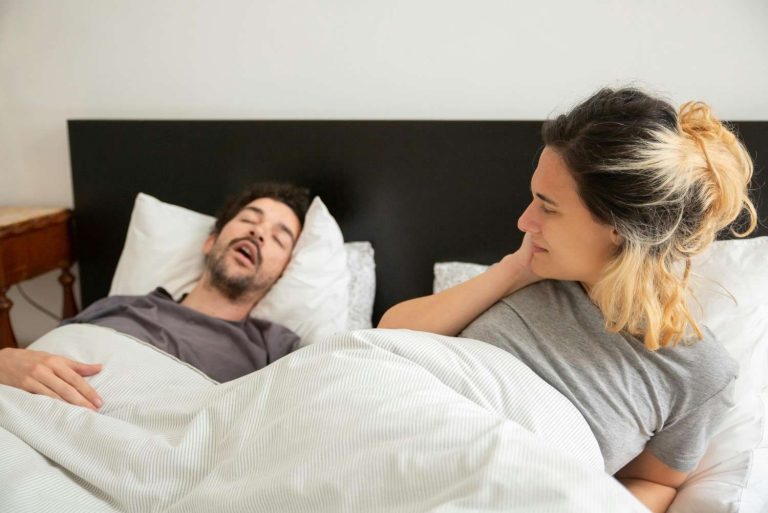
Sleep apnea is a serious sleep disorder that causes repeated pauses in breathing during sleep. These pauses can last for a few seconds to a minute and may happen dozens or even hundreds of times a night. The most common type, obstructive sleep apnea (OSA), occurs when the muscles in the throat relax too much and block the airway. This leads to snoring, gasping for air, and disrupted sleep. [1]
The Connection Between Sleep Apnea and Heart Health
Many people think of sleep apnea as just snoring or feeling tired, but it can also harm your heart. When breathing stops, oxygen levels drop, and the body panics, increasing heart rate and blood pressure. Over time, this puts stress on the heart and raises the risk of serious conditions like:
High blood pressure (hypertension): Sleep apnea makes it harder for the body to regulate blood pressure, leading to higher levels at night and during the day.
Irregular heartbeats (arrhythmias): Low oxygen can trigger conditions like atrial fibrillation (AFib), increasing the risk of stroke.
Heart attack and stroke: Studies show that untreated sleep apnea can double the risk of these life-threatening events. [2]
The Importance of Early Detection and Treatment
Ignoring sleep apnea can lead to serious heart complications, but the good news is that early detection and treatment can help. Options like CPAP therapy, oral appliances, and lifestyle changes can:
- Improve breathing and oxygen levels during sleep.
- Lower blood pressure and reduce heart strain.
- Decrease the risk of heart disease, stroke, and other complications.
- If you snore loudly, feel constantly tired, or have been diagnosed with high blood pressure, it’s important to talk to a doctor or dentist about sleep apnea [3]
How Sleep Apnea Affects the Heart
Every time a person with sleep apnea stops breathing, the oxygen levels in their blood drop. This causes the brain to send emergency signals, forcing the body to wake up just enough to restart breathing. These interruptions can happen hundreds of times per night, putting constant stress on the heart and blood vessels.
Sleep Apnea and High Blood Pressure
When oxygen levels drop during sleep, the body reacts by increasing blood pressure to push more oxygen through the bloodstream. Over time, this forces the heart to work harder, leading to chronic high blood pressure (hypertension).
Studies show that more than 50% of people with sleep apnea also have high blood pressure. [4]
Higher Risk of Irregular Heartbeats (Arrhythmias)
People with sleep apnea are more likely to develop atrial fibrillation (AFib), a condition where the heart beats irregularly and too fast. AFib increases the risk of blood clots, stroke, and heart failure. The oxygen drops, and sudden awakenings caused by sleep apnea can disrupt the heart’s natural rhythm. [5]
Sleep Apnea Increases the Risk of Heart Attack and Stroke
If left untreated, sleep apnea doubles the risk of heart attack and stroke. The constant stress on the heart, combined with high blood pressure and poor oxygen flow, can damage the blood vessels and lead to life-threatening conditions.
Heart Attack: Oxygen deprivation and high blood pressure put extra strain on the heart, increasing the risk of a heart attack.
Stroke: Sleep apnea affects blood circulation and can lead to blood clots, which may block arteries in the brain, causing a stroke. [6]
If you have loud snoring, excessive tiredness, or high blood pressure, it’s important to get screened for sleep apnea. Treating sleep apnea can help:
- Lower blood pressure
- Reduce heart strain
- Decrease the risk of heart attacks and strokes
Sleep apnea can silently impact your heart and overall health if left untreated. Getting help early can make a lasting difference.
Schedule A Consultation at Englewood Dental today
Warning Signs to Watch For: Could You Have Sleep Apnea?
Sleep apnea often goes unnoticed because it happens while you sleep. However, your body may be sending warning signs that shouldn’t be ignored. If left untreated, sleep apnea can lead to serious health problems, including heart disease, high blood pressure, and stroke.
Here are some key warning signs that may indicate you have sleep apnea:
1. Loud Snoring and Gasping for Air During Sleep
- Do you snore loudly every night?
- Does your partner notice that you stop breathing or gasp for air while sleeping?
Snoring by itself isn’t always a sign of sleep apnea, but snoring combined with choking or gasping sounds can mean that your airway is being blocked during sleep. This forces your body to wake up repeatedly throughout the night to restore breathing. [1]
2. Frequent Daytime Fatigue and Trouble Concentrating
- Do you feel extremely tired, even after a full night’s sleep?
- Do you struggle to stay awake while driving or working?
- Do you have trouble focusing or remembering things?
When sleep apnea interrupts your sleep cycle, your body doesn’t get the deep, restorative sleep it needs. This leads to chronic exhaustion, poor concentration, and mood changes. Many people with sleep apnea experience brain fog and difficulty completing daily tasks. [7]
3. Morning Headaches Caused by Low Oxygen Levels
- Do you wake up with a headache almost every morning?
When sleep apnea causes breathing pauses, oxygen levels in your blood drop. This can reduce oxygen flow to the brain, leading to morning headaches. These headaches often go away a few hours after waking up, but they are a strong sign that something is wrong with your breathing at night. [8]
- Do you feel chest discomfort or tightness while sleeping?
- Have you noticed irregular heartbeats (arrhythmias)?
Sleep apnea forces the heart to work harder due to oxygen deprivation and stress on the cardiovascular system. This can lead to:
- Chest pain or discomfort at night
- Irregular heartbeats (such as atrial fibrillation)
- Higher risk of heart attack and stroke
According to the American Heart Association, people with untreated sleep apnea have a higher risk of developing heart disease and arrhythmias.
Poor sleep and loud snoring may be signs of a serious condition affecting your heart. Early diagnosis and treatment matter.
Book a consultation with Englewood Dental Now!
What to Do If You Have These Symptoms?
If you experience any of these warning signs, it’s important to talk to a doctor or dentist about sleep apnea screening. Early diagnosis and treatment can:
- Improve your sleep quality
- Lower your risk of heart disease and high blood pressure
- Boost your energy and focus
How Treating Sleep Apnea Protects Your Heart
Sleep apnea doesn’t just affect your sleep; it puts serious strain on your heart and overall health. If left untreated, sleep apnea increases the risk of high blood pressure, heart disease, stroke, and irregular heartbeats. The good news? Effective treatments can help protect your heart and improve your quality of life.
1. CPAP Therapy: Keeping Your Airway Open
What is CPAP? Continuous Positive Airway Pressure (CPAP) therapy is the gold standard for treating sleep apnea. It delivers a steady stream of air through a mask to keep your airway open while you sleep.
How CPAP Protects Your Heart:
- Prevents breathing pauses that reduce oxygen levels
- Lowers blood pressure and reduces heart strain
- Improves oxygen flow, reducing the risk of heart disease
Studies show that using CPAP regularly can significantly lower the risk of high blood pressure, heart attack, and stroke. [9]
2. Oral Appliance Therapy: A Comfortable Alternative to CPAP
What is an Oral Appliance? It’s a custom-made dental device that moves your jaw slightly forward to keep your airway open.
How It Helps Your Heart:
- Reduces snoring and airway blockages
- Improves breathing and oxygen levels
- Lowers strain on the heart
Oral appliances are a great option for people who find CPAP uncomfortable or prefer a smaller, more portable treatment. [10]
3. Lifestyle Changes: Supporting Your Heart Health
Lose Weight If Needed: Excess weight around the neck can block the airway, worsening sleep apnea. Losing even a small amount of weight can reduce symptoms and improve heart health.
Avoid Alcohol & Sedatives Before Bed: These relax the muscles in your throat, making it easier for your airway to collapse.
Sleep in the Right Position: Sleeping on your side instead of your back can help keep your airway open.
Maintain a Healthy Diet & Exercise: Eating heart-friendly foods and staying active can lower blood pressure and strengthen your cardiovascular system. [11]
Treating sleep apnea doesn’t just help you sleep better. It protects your heart and reduces serious health risks. Whether through CPAP, oral appliances, or lifestyle changes, finding the right treatment can make a big difference in your long-term health.
Don’t ignore the warning signs of sleep apnea. Early treatment can reduce your risk of heart disease, stroke, and high blood pressure.
Request an appointment at Englewood Dental today!
When to See a Doctor for Sleep Apnea
Sleep apnea is more than just snoring. It can lead to serious health problems like high blood pressure, heart disease, and irregular heartbeats (AFib). Many people don’t realize they have sleep apnea until symptoms start affecting their daily lives. Knowing when to seek help is key to preventing complications and improving your overall well-being.
1. If You Have Symptoms of Sleep Apnea
Signs that it’s time for a sleep evaluation:
- Loud snoring that disrupts your sleep or your partner’s
- Gasping, choking, or pauses in breathing while sleeping
- Excessive daytime fatigue, even after a full night’s sleep
- Waking up with headaches or dry mouth
2. If You Have High Blood Pressure, Heart Disease, or AFib
Sleep apnea and heart health are closely connected.
If you already have any of these conditions, ask your doctor about sleep apnea screening to prevent further complications.
3. Seeing Both a Dentist and a Sleep Specialist
Your dentist can help identify sleep apnea symptoms by checking for:
- Worn teeth (bruxism) from nighttime grinding
- Scalloped tongue (caused by airway obstruction)
- Dry mouth (linked to snoring and mouth breathing)
A sleep specialist can confirm the diagnosis with a sleep study and recommend treatments like CPAP therapy, oral appliances, or lifestyle changes.
Working with both a dentist and a sleep doctor ensures you get the best care possible.
Conclusion: Take Sleep Apnea Seriously for Your Heart Health
Sleep apnea isn’t just about snoring. It can have serious effects on your heart and overall health. Many people don’t realize that untreated sleep apnea can increase the risk of high blood pressure, heart disease, irregular heartbeats (AFib), and even stroke. Early diagnosis and treatment can greatly lower these risks and make your life better.
Talk to a Doctor or Dentist Today
If you suspect sleep apnea, the first step is seeking medical advice. A sleep specialist can conduct a sleep study, and a dentist trained in sleep medicine can provide treatment options like oral appliances. Taking action now can:
- Protect your heart health
- Improve your sleep quality
- Prevent long-term health risks
Don’t wait. Schedule an appointment with Englewood Dental today!
References:
- www.nhlbi.nih.gov/health/sleep-apnea
- www.heart.org/sleep-apnea-heart-health
- www.aasm.org/sleep-apnea-treatment
- https://pmc.ncbi.nlm.nih.gov/articles/PMC10225023/
- https://www.heart.org/en/health-topics/sleep-disorders/sleep-disorders-and-afib
- www.sleepapnea.org/heart-risk
- www.aasm.org/sleep-apnea-effects
- www.clevelandclinic.org/sleep-apnea-headaches
- www.nhlbi.nih.gov/sleep-apnea-treatment
- www.aadsm.org/oral-appliance-therapy
- www.mayoclinic.org/sleep-apnea-lifestyle-changes