
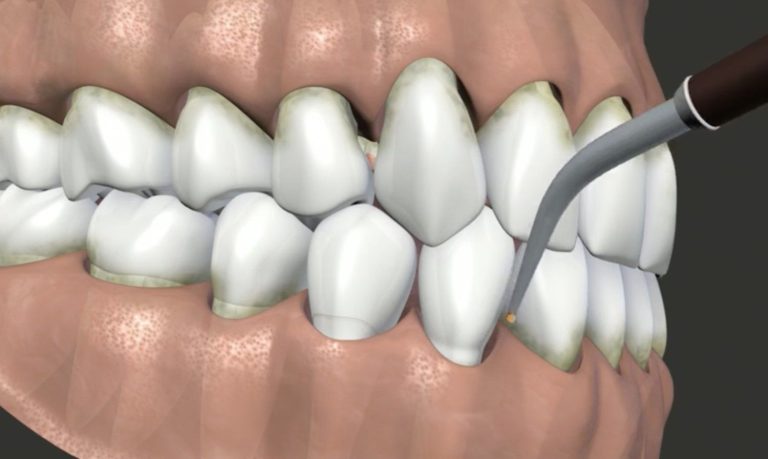
Red, swollen gums and bleeding when brushing are early warning signs of gum disease, and the sooner you treat it, the easier it is to reverse. In the early stages, improved brushing and professional cleanings may stop the infection. For more advanced cases, modern laser gum treatment offers a minimally invasive option that removes infected tissue, reduces discomfort, and supports faster healing compared to traditional surgery.
Noticing bleeding gums or bad breath?
Catching gum disease early is important because it’s easier to treat before it gets worse. In the early stages, simple changes like better brushing and flossing can help reverse the damage. But if you wait too long, the infection can spread and lead to more painful and expensive treatments.
Today, many dental clinics offer laser therapy as a modern, gentle way to treat gum disease. Laser treatment targets infected tissue with precision, causing less discomfort and allowing your gums to heal faster compared to traditional surgery. If you’re looking for a less invasive option with a faster recovery time, laser therapy might be right for you.
What Is Gum Disease?
Gum disease is a common infection that affects the tissues around your teeth. It starts with gingivitis, which is the mildest form. Gingivitis causes red, swollen gums that may bleed when you brush or floss. If left untreated, it can turn into periodontitis, a more serious condition that can damage the bone that supports your teeth and eventually cause tooth loss.
When gum disease gets worse, it doesn’t just affect your mouth. It can lead to loose teeth, gum recession, and even affect your overall health. Studies have linked severe gum disease to other health problems like heart disease, diabetes, and stroke.
There are a few common causes of gum disease. The biggest one is plaque, a sticky film of bacteria that builds up on your teeth. If plaque isn’t removed by brushing and flossing, it hardens into tartar, which irritates your gums. Other risk factors include poor oral hygiene, smoking, hormonal changes (like pregnancy), diabetes, and certain medications.
Gum disease can be prevented, and if caught early, it can even be reversed. Taking care of your mouth daily and seeing your dentist regularly are the first steps.
Protect your gums and prevent future infection.
Schedule a Professional Cleaning
Early Warning Signs of Gum Disease
Knowing the early signs of gum disease can help you take action before it gets worse. Here are some of the most common symptoms to watch out for:
1. Red, swollen, or tender gums
Healthy gums should be firm and pale pink. If your gums are red, puffy, or sore, it could be a sign of gingivitis, the earliest stage of gum disease.
2. Bleeding when brushing or flossing
Bleeding gums are not normal. If your gums bleed easily when brushing or flossing, it usually means there is inflammation or infection starting to develop.
3. Persistent bad breath or a bad taste in your mouth
Bad breath that doesn’t go away, even after brushing, can be caused by bacteria under the gums. This can also leave a constant bad taste in your mouth.
4. Gum recession or teeth that look “longer”
As gum disease progresses, your gums may start to pull away from your teeth. This makes your teeth look longer and can expose the roots, leading to more sensitivity.
5. Tooth sensitivity or discomfort
You may feel pain or sensitivity when eating hot, cold, or sweet foods. This can happen when the gums recede or when an infection starts to affect the tissues around your teeth.
6. Pockets forming between gums and teeth
As periodontitis develops, spaces or “pockets” can form between your teeth and gums. These pockets can trap food and bacteria, making the infection worse.
If you notice any of these signs, it’s important to visit your dentist right away. Treating gum disease early can help save your smile and protect your health.
The earlier gum disease is treated, the easier it is to reverse.
Why You Shouldn’t Ignore These Symptoms
Ignoring the early signs of gum disease can lead to serious problems, not just for your teeth, but for your overall health, too.
Gum disease gets worse over time if left untreated
What starts as mild inflammation (gingivitis) can turn into periodontitis, which affects the deeper layers of your gums and the bone that supports your teeth. As the infection spreads, the gums pull away from the teeth, forming pockets where bacteria can grow.
Untreated gum disease can lead to tooth loss and bone damage
When the infection reaches the bone, it can begin to break it down. This can make your teeth loose, shift out of place, or even fall out. In fact, gum disease is one of the leading causes of tooth loss in adults.
Gum disease can also affect your overall health
Researchers have found links between gum disease and other serious health conditions, like heart disease, diabetes, and stroke. The bacteria from infected gums can enter the bloodstream, causing inflammation in other parts of the body.
That’s why it’s so important to catch gum problems early and treat them right away. Your mouth is connected to your whole body, and a healthy smile is part of a healthy you.
How Laser Treatment Can Help
If you’ve been diagnosed with gum disease, laser gum therapy may be a gentle and effective way to treat it.
What is laser gum therapy?
Laser gum therapy is a modern dental treatment that uses a special dental laser to remove infected gum tissue and bacteria around the teeth. Unlike traditional gum surgery, which uses scalpels and stitches, laser therapy is less invasive and more comfortable for many patients.
How does it work?
The dentist uses a precise laser to target and remove the infected gum tissue. The laser also helps kill bacteria and stimulate the healing of healthy tissue. After the infected area is treated, the root surfaces are cleaned and smoothed to help the gums reattach to the teeth.
Benefits over traditional gum surgery:
- Minimally invasive: Laser therapy doesn’t require cutting or stitches, which makes it more comfortable and less stressful for patients.
- Less bleeding and swelling: Since lasers are very precise, they cause less damage to the healthy tissues. This means less bleeding, swelling, and pain during and after the procedure.
- Faster healing time: Many patients heal more quickly with laser therapy than with traditional surgery. You may be able to return to normal activities sooner
- Greater precision: Lasers allow dentists to focus only on the infected areas without harming healthy tissue, leading to better outcomes and less discomfort.
Who qualifies for laser gum treatment?
Laser gum therapy is usually recommended for patients with moderate to severe gum disease. It may not be necessary for mild gingivitis, but it’s a great option if your gums are infected or if you’re trying to avoid traditional surgery. Your dentist will examine your gums and take X-rays to decide if this treatment is right for you.
If you’re worried about gum disease or looking for a less invasive way to treat it, laser therapy could be a great solution.
Preventing Gum Disease After Treatment
After laser gum therapy, keeping your gums healthy is just as important as the treatment itself. Here are some easy habits that can help prevent gum disease from coming back.
Daily brushing and flossing tips
Brush your teeth twice a day using a soft-bristled toothbrush and fluoride toothpaste. Make sure to gently brush along the gumline, where plaque tends to build up. Use short, circular motions to clean your teeth and gums without irritating them.
Flossing once a day helps remove plaque and food particles between teeth that brushing alone can’t reach. Be gentle and slide the floss under the gumline without snapping it to avoid hurting your gums.
Professional cleanings and regular checkups
Even with good at-home care, it’s important to visit your dentist for professional cleanings and checkups every 6 months, or more often if recommended. Dentists can remove hardened plaque (tartar) that brushing can’t and catch early signs of gum problems before they worsen.
Lifestyle changes: diet, quitting smoking, and more
- Eat a balanced diet rich in fruits, vegetables, and whole grains. These help support your immune system and keep your gums healthy.
- Avoid sugary snacks and drinks, which feed the bacteria that cause plaque.
- Quit smoking, or try to cut back. Smoking is one of the top risk factors for gum disease because it weakens your body’s ability to fight infection and heal properly.
Why Choose Englewood Dental for Laser Gum Treatment
At Englewood Dental – The Center for Implants and Aesthetics, we combine modern technology with compassionate care to help patients effectively treat and manage gum disease.
Our dental team is highly trained in laser gum treatment and other advanced periodontal therapies. We use minimally invasive techniques designed to promote healing and preserve your natural teeth whenever possible. With years of experience, we understand how to customize your treatment plan for the best outcome.
At Englewood Dental, your comfort comes first. We offer a welcoming, judgment-free environment and explain every step of the process so you feel informed and at ease. Our clinic is equipped with state-of-the-art laser technology, allowing for precise, gentle, and effective gum treatment with faster recovery times.
Think you may have early signs of gum disease? Contact Englewood Dental today to schedule a consultation and find out if laser therapy is right for you. Protect your gums, preserve your smile, and enjoy the comfort of advanced dental care in Englewood, NJ.