
The Importance of Mouthguards in Preventing Injuries
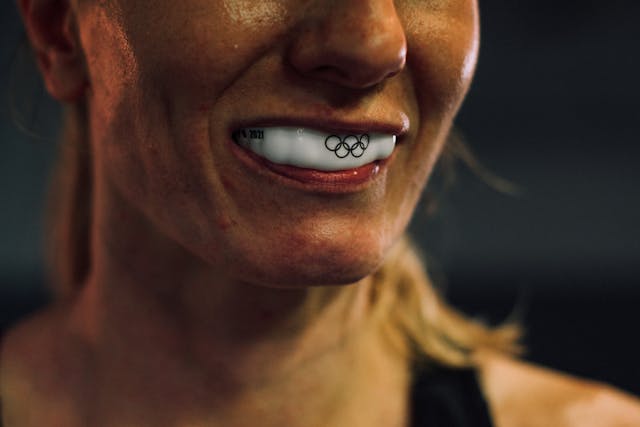
Mouthguards, also known as mouth protectors or sports guards, are important dental tools designed to cover the teeth and keep them from getting hurt during sports and other activities with a lot of impact. Their primary purpose is to act as a barrier, absorbing shocks and distributing the force of impacts to minimize the risk of dental injuries, such as broken or knocked-out teeth, as well as injuries to the soft tissues of the mouth, including the lips, gums, and tongue. The American Dental Association (ADA) strongly suggests the use of mouthguards for individuals participating in contact sports or any activity that poses a risk of oral injury.
The statistics surrounding dental injuries in sports are alarming. Each year, approximately 5 million teeth are lost because of sports-related trauma, with dental injuries accounting for a significant portion of all orofacial injuries sustained during athletic activities. [1] Researchers have found that athletes who don’t wear mouthguards are 60 times more likely to hurt their teeth than athletes who do. Additionally, mouthguards are thought to keep more than 200,000 sports-related oral injuries from happening every year in the United States. [2]
This shows how important it is to have the right protection, not only for dental health but also so that athletes can keep playing their sports without worrying about getting hurt badly.
Types of Mouthguards
Mouthguards are important safety gear that keep your teeth and gums from getting hurt during sports and other high-impact activities. Mouthguards come in three main styles:
Stock Mouthguards
You can find stock mouthguards at most drug and sporting goods stores. They are already shaped and ready to wear. They come in various sizes, but they are not adjustable. They are the cheapest option, making them accessible for many athletes. They are ready to use right out of the package, requiring no preparation. Stock mouthguards, on the other hand, don’t always fit well, leading to discomfort and reduced protection. Also, they might be bulky, which makes it hard to breathe and talk comfortably. And due to their generic fit, they can also provide minimal protection against dental injuries. [3]][5]
Boil-and-Bite Mouthguards
Boil-and-bite mouthguards are made from thermoplastic material. You can make them fit your mouth by boiling them in water to soften the material and then biting into it to make an impression. These mouthguards fit better than store-bought ones because they mold to the shape of your teeth. Even though they cost a little more than stock options, most athletes can still afford them.
Also, they can be heated up and reshaped if the fit is not right. [4] On the other hand, Boil-and-bite mouthguards can still be somewhat bulky, which may affect comfort and usability. Care must be taken when using these mouthguards with braces, as they can get stuck during the molding process. [3][5]
Custom-Fitted Mouthguards
Custom-fitted mouthguards are made specifically for the individual by a dentist. In this process, molds of the teeth are made, which are then used to make a mouthguard that fits perfectly. Because they are made to fit each person’s teeth, they offer the best fit, comfort, and protection. Custom mouthguards significantly reduce the risk of dental injuries and are less likely to shift during use.
Custom-fitted mouthguards tend to last longer than other types of mouthguards because they are made from better materials. Custom-fitted mouthguards, on the other hand, cost the most, which might be a problem for some people. You also have to go to the dentist for the process, and it may take a while to get the finished product.[4][5]
Choosing the right mouthguard is essential for protecting your teeth and gums during sports or high-impact activities. It is important to select a mouthguard that meets your specific needs to ensure optimal safety and performance during athletic activities.
Benefits of Wearing a Mouthguard
While mouthguards are very important for protecting your teeth, especially for athletes who play contact sports, they are also useful for other reasons. These are the main reasons why you should wear a mouthguard:
Protect Teeth from Being Knocked Out or Broken
One of the primary functions of a mouthguard is to safeguard the teeth from being knocked out or broken during sports activities. Dental injuries, such as chipped or fractured teeth, are common in contact sports like football, hockey, and boxing. According to research, athletes who don’t wear mouthguards are a lot more likely to hurt their teeth than athletes who do. When worn correctly, a mouthguard absorbs and spreads the force of impacts, making tooth damage less likely and lowering the cost of dental repairs. [3]
Prevent Cuts to the Lips, Tongue, and Cheek
Mouthguards also serve as a barrier against cuts and bruises to the soft tissues of the mouth, including the lips, tongue, and cheeks. During contact sports, players can get hurt by bumping into each other or falling, which can cause painful cuts. Mouthguards help prevent these injuries by softening the blow, which is good for your oral health and comfort during sports.[3]
Reduce the Risk of Concussions and Other Head Injuries
Recent studies have shown that wearing a mouthguard can significantly reduce the risk of concussions and other head injuries. The device helps stabilize the jaw and can absorb some of the shock from impacts, which may prevent the lower jaw from jamming into the upper jaw. This protective mechanism is very important in sports where head injuries are common because it can lessen the damage to the brain and jaw.
Provide a Cushion Against Blows to the Face
In addition to protecting teeth and soft tissues, mouthguards act as a cushion against direct blows to the face. This cushioning effect is particularly important in contact sports, where athletes are frequently exposed to high-impact situations. A mouthguard can absorb some of the force of a blow, which lowers the risk of injuries to the face, such as broken jaw or cheekbones. This added layer of protection is essential for athletes, as it can help them continue to participate safely in their sport without the fear of serious injury. [3]
Given the significant risks associated with contact sports, investing in a quality mouthguard is a wise decision for any athlete, ensuring both safety and peace of mind on the field or court.
When to Wear a Mouthguard
Mouthguards are essential protective devices that should be worn during a variety of sports and recreational activities to safeguard the teeth and mouth from injuries. While their use is mandatory in some contact sports, they are also highly recommended for non-contact sports and other physical activities where there is a risk of falls or collisions.
Mandatory for Contact Sports
The American Dental Association (ADA) and the National Collegiate Athletic Association (NCAA) require the use of mouthguards for certain contact sports due to the high risk of dental and facial injuries. These sports include: Football, Ice hockey, Lacrosse, Field hockey and Boxing, among many others. It is very important to wear a mouthguard that fits properly when playing these sports because there is a lot of physical contact and the chance of getting hit in the face or mouth. [3]
Recommended for Non-Contact Sports with Risk of Falls or Collisions
While mouthguards are not mandatory in all sports, the ADA recommends their use for a wide range of non-contact sports where there is a risk of falls or collisions. These include: Basketball, Soccer, Skateboarding, Volleyball, Wrestling, Gymnastics, Racquetball, and Squash. Athletes in these sports may crash into other players, the ground, or equipment, which makes dental and facial injuries more likely. Wearing a mouthguard can help prevent these injuries and protect the teeth and soft tissues of the mouth. [3]
Important for Recreational Activities
Mouthguards are not only essential for organized sports but also for various recreational activities where there is a risk of falls or collisions. Some examples include: Biking, Rollerblading, Skateboarding, Skiing, and Surfing. Because these activities often involve fast speeds, uneven surfaces, and the chance of falling, mouthguards are an important piece of safety gear to keep your teeth and face from getting hurt. [3]
Choosing the Right Mouthguard
Selecting the appropriate mouthguard is essential for ensuring maximum protection and comfort during sports and other activities. A mouthguard that fits properly can greatly lower the risk of dental injuries and make it easier to breathe and speak. Here are the most important things to think about when picking out a mouthguard.
Importance of a Properly Fitted Mouthguard
A properly fitted mouthguard is important for effective protection. If your mouthguard doesn’t fit right, it might not protect or support your teeth properly, which could cause injuries during impacts. It should fit snugly over the upper teeth without hurting or making it hard for air to flow. A well-fitted mouthguard stays securely in place, allowing the wearer to focus on their activity without distraction. According to the American Dental Association, a mouthguard that fits well can help prevent injuries to the teeth, gums, and jaw, as well as reduce the risk of concussions by stabilizing the jaw during impacts.
Factors to Consider When Selecting a Mouthguard
When choosing a mouthguard, several factors should be taken into account:
Age
Mouthguards should be age-appropriate, as children and adolescents may require different sizes and types due to their developing mouths. A lot of companies make mouthguards that are specially made for kids and can grow with them.
Sport
The type of sport being played is a significant factor in selecting a mouthguard. For contact sports like football, hockey, and boxing, you may need stronger protection, while for non-contact sports, you may be able to get away with lighter options. Being aware of the specific risks that come with the sport can help you choose the best mouthguard.
Comfort
When picking out a mouthguard, comfort is very important. People who wear mouthguards are less likely to keep them on if they are uncomfortable. It should be comfortable to breathe and talk through, and it shouldn’t irritate the gums or soft tissues in the mouth. Athletes should try different types to find one that feels right. [7]
Breathing
A good mouthguard should not obstruct airflow. Athletes often need to breathe deeply while working out, so it’s important that the mouthguard lets enough air flow to keep them from getting tired and uncomfortable.
Consulting with a Dentist for a Custom Fitted Mouthguard
For the best protection and comfort, consulting with a dentist for a custom-fitted mouthguard is highly recommended. Molds of the wearer’s teeth are used to make custom mouthguards that fit perfectly and are made to fit the wearer’s specific dental structure. This type of mouthguard is better at protecting your teeth and gums than stock or boil-and-bite options because it is less likely to come loose during impacts and covers more teeth.
The process typically involves two visits to the dentist: the first is to make impressions, and the second is to fit and make any necessary changes to the mouthguard. Custom mouthguards can be more expensive, but many dental insurance plans will cover some of the cost. This makes them an affordable way to protect your teeth and smile. [7]
It’s important to get the right mouthguard to protect your teeth and gums while you play sports or do other physical activities. People can make sure they get the best protection and comfort from their mouthguard by thinking about the factors and how important it is to talk to a dentist for a custom option.
Caring for Your Mouthguard
Proper care and maintenance are essential for ensuring your mouthguard remains effective and safe to use. Here are some key steps to follow when caring for your mouthguard:
Cleaning and Disinfecting After Each Use
It is very important to clean and disinfect your mouthguard after wearing it to get rid of any bacteria, plaque, or other debris that may have built up. Here’s how to properly clean your mouthguard:
- Rinse the mouthguard with cool or warm water to remove any visible debris.
- Gently brush the mouthguard with a soft-bristled toothbrush and a small amount of non-abrasive toothpaste.
- Rinse the mouthguard thoroughly to remove all traces of toothpaste.
- Soak the mouthguard in an antimicrobial solution, such as diluted mouthwash or denture cleaner, for 30 minutes to an hour once or twice a week to disinfect it.
- Rinse the mouthguard again with cool water and allow it to air dry completely before storing.
Replacing a Damaged or Ill-Fitting Mouthguard
Over time, your mouthguard may become damaged or no longer fit properly. It is essential to replace it in these cases to ensure optimal protection and comfort. You should get a new mouthguard if it has any of the following problems: cracks, tears, or holes in the material; discoloration or a buildup of plaque or tartar; or big changes in fit that make it uncomfortable or hard to breathe. [8]
You should talk to your dentist about getting a new mouthguard, especially if the old one was made just for you.
Storing Your Mouthguard
It is very important to keep your mouthguard in a clean, dry place when not in use so that bacteria don’t grow on it and it keeps its shape. Here are some tips for proper storage:
- Store your mouthguard in a hard, vented case that allows for air circulation and prevents it from becoming misshapen.
- Keep the case in a cool, dry place, such as a drawer or cabinet, away from direct heat or sunlight.
- If you use a retainer case, make sure to clean it regularly to prevent the buildup of bacteria.
- Avoid storing your mouthguard loose in your pocket, purse, or gym bag, as it may become damaged or contaminated.
You can keep your mouthguard safe and effective while protecting your teeth and gums while you play sports or do other activities by following these steps for replacing, cleaning, disinfecting, and storing it.
Conclusion
Mouthguards are an important piece of safety gear for athletes and people who do a lot of different sports and fun activities. They play an important role in safeguarding the teeth, gums, and soft tissues of the mouth from a wide range of injuries, including broken or knocked-out teeth, cuts, and even concussions.
Wearing a mouthguard has more benefits than just protecting your teeth. Head injuries like concussions are less likely to happen because they protect the jaw and take some of the impact from hits. A mouthguard can also protect your face from direct blows, which lowers the risk of getting hurt.
Investing in a quality mouthguard is a wise decision for any athlete or individual engaged in sports or recreational activities. Setting dental health and safety as a top priority can greatly lower the chance of getting hurt and allow you to continue doing the things you enjoy with confidence and relief.
Protect your investment in your smile. A custom mouthguard is the best way to prevent dental injuries during sports. Experience the difference. Contact Englewood Dental to learn more.
References
- https://www.dentalcare.com/en-us/ce-courses/ce334/statistics
- https://www.colgate.com/en-ph/oral-health/dental-emergencies-and-sports-safety/important-reasons-for-mouth-guards
- https://www.yourdentistryguide.com/mouth-guards/
- https://mdperio.com/blog/mouth-guards-are-important-for-sports/
- https://www.webmd.com/oral-health/mouth-guards
- https://www.colgate.com/en-ph/oral-health/selecting-dental-products/mouth-guards-everything-you-need-to-know
- https://makurasport.com/blog/the-straightforward-guide-to-choosing-the-right-mouthguard/
- https://www.healthline.com/health/how-to-clean-mouthguard