
How to Spot Signs of Oral Cancer
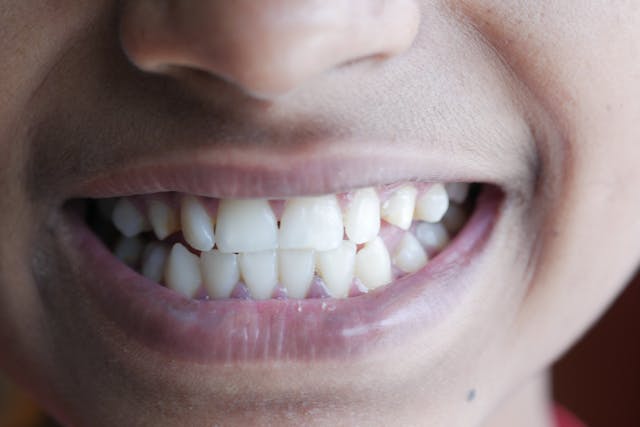
Oral cancer can happen in any part of the mouth, like the lips, tongue, cheeks, floor of the mouth, hard or soft palate, or any part of the tongue. It often starts as a small, painless sore, which can make early detection hard. Finding oral cancer early, on the other hand, greatly increases the chances of a successful treatment and can stop the cancer from spreading to other parts of the body.
It is very important to know the early symptoms and signs of oral cancer because finding it early leads to better treatment outcomes. Studies have shown that when oral cancer is diagnosed at an early stage, localized stage significantly increases 5-year survival rates. [1] So, educating people about this disease and encouraging them to get regular dental checkups can make a big difference in lowering the death rate from it.
Understanding Oral Cancer
What is Oral Cancer?
Oral cancer is a type of cancer that develops in the tissues of the mouth or throat. It most commonly affects the squamous cells that line the lips, tongue, cheeks, floor of the mouth, and the hard and soft palates.
There are several types of oral cancer:
squamous cell carcinoma: the most prevalent, accounting for about 90% of all oral cancer cases. [2]
Less common types include:
verrucous carcinoma
salivary gland tumors
lymphomas
Oral cancer can affect various areas of the mouth, including the lips, where cancer might appear as a persistent sore or lump; the tongue, often characterized by a painful ulcer or growth; the cheeks, where patches of red or white might signal malignancy; and the floor of the mouth, which might exhibit unusual lumps or sores. [3]
Risk Factors
Several risk factors increase the likelihood of developing oral cancer.
Tobacco use
Tobacco use including smoking cigarettes, cigars, or pipes, as well as chewing tobacco, is the most significant risk factor, contributing to about 85% of oral cancer cases. [4]
Alcohol consumption
Alcohol consumption, particularly heavy use, is another major risk factor, and when combined with tobacco use, the risk increases much more. [5]
Human papillomavirus (HPV) infection
HPV infection especially with HPV type 16, is also associated with a higher risk of oropharyngeal cancers, which include parts of the throat, base of the tongue, and tonsils.
Prolonged exposure to the sun
Prolonged exposure to the sun increases the risk of lip cancer, particularly for individuals who spend significant time outdoors without adequate sun protection.
Other factors
Other factors include a diet low in fruits and vegetables, a family history of cancer, and a weakened immune system.
Early Signs and Symptoms to Watch For
Persistent Mouth Sores
One of the most common early signs of oral cancer is a persistent sore or ulcer in the mouth that does not heal within two weeks. These sores are often painless at first, which can lead individuals to dismiss them as minor issues. [6]
Lumps or Thickening in the Mouth
Unusual lumps, swellings, or thickening of the skin or lining of the mouth can also be early warning signs of oral cancer. [2] These abnormalities can occur anywhere in the mouth, including the lips, gums, or cheeks, and may feel firm or rough to the touch.
Red or White Patches
The appearance of red (erythroplakia) or white (leukoplakia) patches inside the mouth is another symptom that should not be ignored. While these patches are not always cancerous, they can be precancerous, meaning that they have the potential to develop into cancer over time. Red patches, in particular, are more likely to be associated with malignancy.
Unexplained Bleeding
Unexplained bleeding in the mouth is another early sign of oral cancer that warrants immediate attention. [7] This bleeding can occur without any obvious cause, such as an injury or brushing too hard, and may be accompanied by other symptoms like sores or lumps.
Difficulty Chewing or Swallowing
Discomfort or pain while chewing or swallowing can also be indicative of oral cancer, especially if these symptoms persist for more than a few weeks. [8] This could be due to a growth or tumor obstructing the normal function of the mouth or throat.
Persistent Sore Throat or Hoarseness
A sore throat or changes in voice, such as hoarseness, that persist for more than a couple of weeks can also be a sign of oral or throat cancer. These symptoms can occur when a tumor develops in the throat or near the vocal cords. If you notice any persistent throat pain or hoarseness, especially if it is accompanied by other symptoms like lumps or sores, it is important to seek medical evaluation.
When to See a Dentist or Specialist
Importance of Regular Dental Check-ups
Maintaining regular dental check-ups is very important for finding oral cancer early. Dentists are trained to identify the early warning signs and symptoms of oral cancer when performing routine exams, which frequently involve touching and looking into the throat, gums, and mouth. These visits provide an opportunity to detect potential issues before they worsen and allow for timely intervention, increasing the possibility of a successful outcome. [8]
Oral cancer screenings during dental check-ups are particularly important for individuals who have higher risk factors, such as tobacco use, heavy alcohol consumption, or a history of oral cancer. Even if no symptoms are present, these regular check-ups can help detect abnormalities at a stage when treatment is most effective. [9]
When to Seek Immediate Attention
While regular dental check-ups are essential, there are certain symptoms that require immediate attention from a dentist or specialist.
The following should not be ignored, as these could be early signs of oral cancer:
Any persistent sores, lumps, or thickening in your mouth that do not heal within two weeks
Unexplained bleeding
Red or white patches
Difficulty chewing or swallowing
Persistent sore throat or hoarseness particularly if it is accompanied by other symptoms like lumps or unexplained weight loss
It is important to see a healthcare professional without delay. Early evaluation and diagnosis are key to managing potential oral cancer effectively and improving the chances of a positive outcome.
Diagnostic Procedures
Initial Examination
During an oral cancer screening, the dentist will begin with a thorough examination of your mouth, including your lips, gums, tongue, cheeks, and throat. The dentist will look for any abnormalities, such as sores, lumps, or discolored patches, and may also palpate the tissues in your mouth and neck to check for unusual growths or tenderness. [8] This examination is usually painless and takes only a few minutes, but it can be a critical step in identifying early signs of oral cancer.
If the dentist finds any areas of concern during the screening, they may recommend additional tests or refer you to a specialist for further evaluation. Early detection through these routine screenings can significantly improve treatment outcomes and survival rates.
Biopsy and Other Diagnostic Tests
If an abnormality is detected during the initial examination, the next step is often a biopsy, which is the most definitive way to diagnose oral cancer. During a biopsy, a small sample of tissue is taken from the suspicious area and sent to a laboratory for analysis.
There are different types of biopsies, such as
Incisional biopsies: where a small section of the tissue is removed.
Fine-needle aspiration biopsies: which use a thin needle to extract cells from a lump.
The biopsy process is typically done under local anesthesia and may cause some discomfort, but it is generally well-tolerated.
In addition to a biopsy, other diagnostic tests may be used to determine the extent of the cancer, such as imaging tests like
- X-rays
- CT scans
- MRI
- PET scans
These tests help to identify whether the cancer has spread to other parts of the body, which is crucial for staging the disease and planning the appropriate treatment. [8]
Prevention Tips
Lifestyle Changes
One of the most effective ways to reduce the risk of developing oral cancer is by making key lifestyle changes.
Quitting smoking and avoiding the use of all tobacco products
Tobacco use is the leading cause of oral cancer. Smokers are several times more likely to develop oral cancer than non-smokers, and the risk increases with the amount and duration of tobacco use. [4]
Reducing alcohol consumption
The combination of alcohol and tobacco use further increases the risk, as alcohol can act as a solvent, making it easier for the harmful chemicals in tobacco to penetrate the tissues in the mouth.
Practicing good oral hygiene
Regular brushing and flossing help to remove potential carcinogens from the mouth.
Maintaining a healthy diet rich in fruits and vegetables
Foods high in vitamins A, C, and E, as well as antioxidants, have been shown to help protect cells from damage that can lead to cancer.
Regular Self-Examinations
Aside from going to the dentist for regular check-ups, doing regular self-exams is another proactive way to find early signs of oral cancer.
To perform a self-examination:
- Start by using a mirror to check all areas of your mouth, including your lips, gums, tongue, and the roof and floor of your mouth.
- Look for any sores, lumps, or discolored patches that weren’t there before, and gently feel around the inside of your mouth for any unusual thickening or lumps.
- Pay particular attention to any areas that feel tender or painful, and note any changes in texture or color.
- Consult a healthcare professional for further evaluation if you notice any abnormalities that persist for more than two weeks.
Regular self-examinations, combined with routine dental visits, can help catch potential issues early, when they are most treatable.
Conclusion
Early detection of oral cancer is important for successful treatment and improved survival rates. By recognizing the early signs, such as persistent mouth sores, unusual lumps or thickening in the mouth, red or white patches, unexplained bleeding, and difficulty chewing or swallowing, you can take prompt action that may save your life. Preventing oral cancer in its early stages requires regular dental check-ups and self-exams.
If you notice any of the symptoms discussed, schedule a dental check-up immediately to get a professional evaluation. Getting help early can make all the difference. Sharing this information with family and friends will also help them understand how important early detection and regular screenings are, which could ultimately save lives.
Contact Englewood Dental Today
Call us with any questions, or make an appointment by clicking the button below.
References
- https://www.nidcr.nih.gov/research/data-statistics/oral-cancer/survival-rates
- https://www.nidcr.nih.gov/research/data-statistics/oral-cancer
- https://www.cancer.org/cancer/types/oral-cavity-and-oropharyngeal-cancer/about/what-is-oral-cavity-cancer.html
- https://www.ncbi.nlm.nih.gov/pmc/articles/PMC6527045/
- https://www.who.int/news-room/fact-sheets/detail/cancer
- https://www.mayoclinic.org/diseases-conditions/mouth-cancer/symptoms-causes/syc-20350997
- https://my.clevelandclinic.org/health/diseases/11184-oral-cancer
- https://www.mayoclinic.org/tests-procedures/oral-cancer-screening/about/pac-20394802
- https://my.clevelandclinic.org/health/diagnostics/21056-oral-cancer-screening