
How do I tell if I have TMJ?
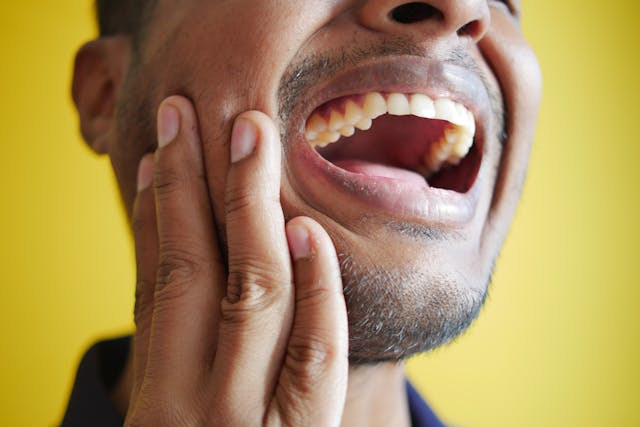
Imagine waking up every morning with a jaw that feels like it’s been in a boxing match. This is a common experience for millions of people worldwide who suffer from temporomandibular joint disorder (TMJ).
TMJ, or temporomandibular joint disorder, is a condition that affects the joint connecting your lower jaw to your skull. This joint, known as the temporomandibular joint, is responsible for a wide range of facial movements, including chewing, talking, and yawning. If this joint is out of place, swollen, or damaged, it can cause a number of painful and sometimes disabling symptoms.
What is TMJ?
The temporomandibular joint (TMJ) is a vital hinge that connects your lower jaw (mandible) to the temporal bone of your skull, located just in front of each ear. This joint is one of a kind because it can move in both directions, letting you do important things like chewing, speaking, and yawning.
It is very important for the TMJ to be able to move smoothly and in sync so that you can do things like bite and grind food and speak clearly. This joint is one of the most complicated and used in the body because it works with muscles, ligaments, and bones all at the same time. [1]
A Look at TMJ Disorder
TMJ disorder, also known as TMD (temporomandibular disorder), occurs when there is a problem with the joint itself, the muscles surrounding it, or the ligaments that support it. This condition can lead to a range of symptoms, including pain, limited jaw movement, and clicking or popping sounds when opening or closing the mouth. [2] The disorder can be caused by various factors, such as injury to the jaw, arthritis, or chronic teeth grinding (bruxism).
People with TMJ disorder may not be able to do normal things like eating and talking without pain, which can have a big effect on their quality of life. The pain can spread to the shoulders, neck, and face, making it a condition that is hard to deal with.
Common Symptoms of TMJ
Jaw Pain and Tenderness
Jaw pain and tenderness that can spread to the face and around the ears is one of the most obvious signs of TMJ disorder. Most of the time, this pain is caused by swelling or irritation in the temporomandibular joint. The pain may be localized to the jaw or spread outward, affecting nearby areas. For many people, this pain gets worse when they chew or speak, which involve moving their jaw. [3]
Difficulty Chewing or Speaking
TMJ disorder can also cause significant discomfort during everyday activities like chewing or speaking. The pain and stiffness in the jaw muscles may make it difficult to open the mouth wide or move the jaw from side to side. This limitation can turn simple tasks like eating or holding a conversation into painful experiences. [4]
Clicking or Popping Sounds
Another common symptom of TMJ disorder is the presence of clicking, popping, or grating sounds when the jaw is opened or closed. These sounds happen when the disc inside the joint moves out of place or when the surfaces of the joint do not move smoothly against each other. While these noises can be alarming, they are not always accompanied by pain. [5]
Locking of the Jaw
When you have TMJ disorder, your jaw can get stuck in either an open or closed position. This is called jaw locking. This happens when the disc inside the TMJ moves out of place or when there is severe inflammation that makes it hard for the joint to move. It can be very upsetting to have jaw locking because it can make it hard to eat, speak, or even breathe properly because the mouth can not fully open or close. [6]
Headaches and Neck Pain
TMJ disorder is also commonly associated with headaches and neck pain. [7] The connection between the TMJ and these symptoms lies in the shared nerve pathways and muscle groups that extend from the jaw to the head and neck.
When the temporomandibular joint is stressed or inflamed, it can cause referred pain that manifests as tension headaches, migraines, or persistent neck pain. This referred pain can be just as painful as the jaw pain itself, and it can often cause a cycle of chronic pain that affects many body parts.
Causes and Risk Factors
Jaw Injury
One of the most frequent causes of TMJ disease is jaw trauma. A direct hit to the jaw, such as that which occurs in a vehicle accident, sports injury, or even a tumble, may cause this damage. Impacts may cause inflammation, misalignment, or displacement of the disc inside the joint by harming the temporomandibular joint’s muscles, bones, or cartilage. If the jaw does not heal correctly, even little injuries may result in serious problems, including persistent discomfort and dysfunction. [8]
Arthritis
Arthritis, particularly osteoarthritis and rheumatoid arthritis, can affect the temporomandibular joint just as it can other joints in the body.
Osteoarthritis: the cartilage that cushions the joint wears down over time, leading to pain and reduced mobility.
Rheumatoid arthritis: an autoimmune disorder, causes inflammation of the joint lining, which can also result in pain, swelling, and eventually joint deformity.
When arthritis affects the TMJ, it can lead to chronic pain, stiffness, and difficulties in moving the jaw. [4]
Grinding or Clenching Teeth
Bruxism, or the habit of grinding or clenching teeth, is a significant risk factor for developing TMJ disorder. This condition exerts excessive pressure on the temporomandibular joint, leading to muscle fatigue, inflammation, and damage to the joint itself. The constant strain can wear down the cartilage and move the disc in the TMJ out of place over time.
Stress
Stress is closely linked to TMJ disorder because it can lead to increased muscle tension, particularly in the jaw and face. When a person is stressed, they may unconsciously clench their jaw or grind their teeth, both of which put extra strain on the temporomandibular joint. Over time, this added tension can lead to pain, inflammation, and dysfunction of the joint. [9]
Diagnosing TMJ
Self-Assessment
If you suspect you might have TMJ disorder, a preliminary self-assessment can help you identify common symptoms before seeking professional help.
- Start by keeping an eye on any pain in your jaw, face, or ears, especially if it gets worse when you talk or chew.
- Pay attention to whether your jaw feels stiff or clicks or pops when you open or close your mouth.
- Also, pay attention if you get headaches, neck pain, or the feeling that your jaw is stuck.
- Keeping a journal of these symptoms, including when they occur and their severity, can be helpful when discussing your condition with a healthcare provider
When to See a Dentist
Self-evaluation can help you get started, but you should see a dentist or specialist right away if you have:
- Persistent jaw pain
- Trouble moving your jaw, or any other symptoms that seem odd.
- If your symptoms are making it hard for you to eat or talk, or if the pain is spreading to other parts of your body, like your neck or shoulders.
A professional can perform a thorough examination to determine whether TMJ disorder is the cause of your discomfort. Early diagnosis and intervention can prevent the condition from worsening and provide relief from symptoms
Diagnostic Tests
When you visit a dentist for a potential TMJ disorder, they may conduct several diagnostic tests to evaluate the condition of your temporomandibular joint.
Initially, the dentist will perform a physical examination, checking for tenderness, clicking, popping, or difficulty moving the jaw. If further investigation is needed, imaging tests may be recommended such as
X-rays: can reveal the alignment of your jaw and the condition of your bones.
Magnetic resonance imaging (MRI): can provide detailed images of the joint’s soft tissues, including the disc.
Computed tomography (CT) scans: offers a comprehensive view of the bone structure, helping to detect any abnormalities that might be contributing to your symptoms. [7]
Treatment Options
At-Home Remedies
For those experiencing mild to moderate TMJ symptoms, at-home remedies can often provide significant relief.
Cold packs: one of the simplest treatment is applying cold pack to the affected area. The cold can help reduce inflammation and numb the pain, offering temporary relief. Another effective
Eating of soft foods: soft foods that require minimal chewing, allowing the jaw to rest and avoid further irritation.
Practicing jaw exercises: designed to strengthen and stretch the muscles around the temporomandibular joint can help improve mobility and reduce discomfort. These exercises, which should be performed gently and regularly, can be a crucial part of managing TMJ symptoms at home.
Medications: Over-the-counter pain relievers, such as ibuprofen or acetaminophen, can help manage pain and inflammation. In some cases, muscle relaxants or antidepressants may be prescribed.
Dental Treatments
When at-home remedies aren’t enough, dental treatments can provide more targeted relief for TMJ disorders.
Mouthguards or splints: One common intervention is the use of mouthguards or splints, which are custom-made devices worn over the teeth to prevent clenching or grinding, particularly at night. These devices help to reduce the strain on the jaw and can alleviate pain over time. [6]
Physical therapy: another option, where specific exercises and manual techniques are used to improve jaw function and reduce pain.
Reshaping of Teeth: In some cases, dentists may recommend bite adjustments, which involve reshaping the teeth to ensure that the bite is even and does not put undue pressure on the jaw joint.
Surgical Options
Surgery is generally considered a last resort for treating TMJ disorders and is typically reserved for severe cases that do not respond to other treatments.
There are several surgical options available, ranging from minimally invasive procedures to more complex. [8]
Arthrocentesis: where fluid is injected into the joint to wash out debris
Arthroscopy: A small cut is made just in front of your ear, and a thin tube with a light and camera is put inside. Surgical instruments are inserted through the tube to reshape bone, remove scar tissue or reposition the disk in your joint. [2]
Open-joint surgery: may involve repairing or replacing the joint. Surgery is typically advised only in cases where other treatments have failed to provide sufficient relief from symptoms due to the risks involved, including the possibility of complications and only partial symptom relief.
Preventing TMJ
Lifestyle Adjustments
Preventing TMJ disorder often involves making several lifestyle adjustments that can reduce the risk of developing symptoms.
Managing stress: one of the most effective strategies is stress management. Stress is a significant contributor to muscle tension and teeth grinding, both of which can strain the temporomandibular joint. Techniques such as deep breathing, meditation, and regular physical exercise can help keep stress levels in check and reduce the likelihood of TMJ issues. [9]
Avoiding hard or chewy foods: it is important to avoid hard or chewy foods that require excessive jaw movement, such as gum, tough meats, or crunchy snacks, as these can exacerbate strain on the TMJ.
Maintaining good posture: especially when sitting for long periods or working at a computer, can also help reduce the risk of TMJ. Poor posture can lead to misalignment of the spine and jaw, increasing the likelihood of developing TMJ symptoms.
Regular Dental Check-Ups
Regular dental check-ups are crucial in preventing TMJ disorder or catching it in its early stages. During routine visits, your dentist can assess the health of your jaw joint and identify any signs of wear, misalignment, or other issues that could lead to TMJ problems. Early detection allows for timely intervention, such as recommending lifestyle changes or providing a mouthguard to prevent teeth grinding before it leads to more serious issues.
Maintaining regular dental appointments can help make sure that any problems related to your TMJ are taken care of quickly, lowering the chance of long-term issues.
Conclusion
TMJ disorder is a condition that can significantly impact daily life, causing pain, discomfort, and difficulty with basic activities such as eating and speaking. Recognizing the symptoms—such as jaw pain, clicking or popping sounds, and headaches—is the first step in addressing the issue.
Learning about the conditions that can lead to it and what makes people more likely to get it, like jaw injuries, arthritis, grinding your teeth, and stress, can help you avoid or control it. There are various treatment options available, ranging from simple at-home remedies like applying cold packs and eating soft foods to more advanced dental interventions and, in severe cases, surgery. People can control their symptoms and improve their quality of life by being proactive.
You should see your dentist right away if you think you might have TMJ disorder so they can check you out fully. Early diagnosis and treatment are important to stop the condition from getting worse and to ease the pain. If you are having problems with your TMJ, do not be afraid to look into the different treatment options and get professional help.
Schedule your Free Consultation, a $165 value, today! Call us at Center for Implants and Aesthetics at Englewood Dental Phone Number 201-871-3555 to determine if TMJ therapy would help your situation.
References
- https://www.hopkinsmedicine.org/health/conditions-and-diseases/temporomandibular-disorder-tmd
- https://my.clevelandclinic.org/health/diseases/15066-temporomandibular-disorders-tmd-overview
- https://www.mayoclinic.org/diseases-conditions/tmj/symptoms-causes/syc-20350941
- https://www.mouthhealthy.org/all-topics-a-z/tmj
- https://www.nidcr.nih.gov/health-info/tmd
- https://www.health.harvard.edu/blog/unlocking-the-lock-jaw-temporomandibular-joint-tmj-dysfunction-2017022211146
- https://www.mayoclinic.org/diseases-conditions/tmj/diagnosis-treatment/drc-20350945
- https://www.healthline.com/health/tmj-surgery
- https://www.nidcr.nih.gov/health-info/tmj