
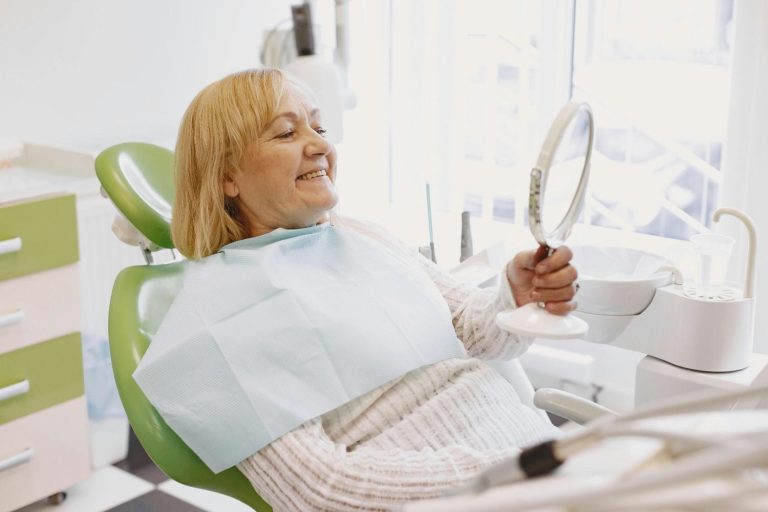
Most seniors are good candidates for dental implants. Age alone is not a disqualifying factor: overall health, bone condition, and oral hygiene matter far more. In healthy older adults, implant survival rates commonly range from 88% to 92%, making implants a safe and long-lasting option when properly planned and maintained.
Ready to find out if you’re a candidate?
Dental implants for seniors are one of the most reliable and long-lasting solutions for missing teeth. If you are considering dental implants later in life, the most important thing to understand is this: age alone is not a limiting factor. What matters is your overall health, bone condition, and oral hygiene.
Clinical literature reports dental implant survival rates ranging from approximately 88% to 92% in prospective and retrospective studies, with some analyses showing rates closer to 78% after statistical adjustments.
Outcomes vary based on study design, follow-up duration, patient health, and whether “survival” or “success” is being measured, two metrics that are not applied consistently across studies. Long-term results tend to be strongest in patients with good systemic health and adequate bone density.
The American Dental Association (ADA) also recognizes implants as a predictable and effective treatment option for tooth replacement.
If you are researching dental implants for seniors in Englewood, this guide explains exactly what to expect before you book your consultation.
Are Dental Implants Safe for Seniors?
Yes. Dental implants are safe for seniors who are medically stable and healthy enough to undergo minor oral surgery.
Dental implants are titanium posts surgically placed into the jawbone to support artificial teeth, functioning like natural tooth roots. Titanium is biocompatible, meaning it integrates with bone through a process called osseointegration.
Multiple studies show that implant outcomes in older adults are generally favorable when systemic health is well-controlled, though some research suggests modestly lower success rates compared to younger populations.
Age alone is not a disqualifying factor, but overall health remains the primary consideration. In other words, being 70 or even 80 years old does not automatically disqualify you.
However, certain medical conditions may require additional evaluation:
- Uncontrolled diabetes
- Advanced osteoporosis
- Heavy smoking
- Active periodontal disease
The ADA notes that good oral health and adequate bone are essential for implant success.
At Englewood Dental, a comprehensive exam and digital imaging are used to evaluate whether you are a candidate before treatment is recommended.
Why Are Dental Implants a Good Option for Seniors?
Tooth loss becomes more common with age. The Centers for Disease Control and Prevention (CDC) reports that adults over 65 have higher rates of complete tooth loss compared to younger adults. Missing teeth are not just cosmetic; they affect nutrition, speech, and overall health.
Dental implants offer several advantages over traditional dentures:
Stability and Function
Implants are anchored into the jawbone, so they do not shift or slip. According to the AAID, implants restore chewing ability close to that of natural teeth. This allows seniors to eat a wider variety of nutritious foods, which is essential for maintaining overall health.
Bone Preservation
When teeth are lost, the jawbone begins to shrink due to a lack of stimulation. The NIDCR explains that implants stimulate bone similarly to natural tooth roots, helping prevent bone loss. Dentures do not provide this stimulation.
Long-Term Durability
With proper care, dental implants can last decades. The ADA confirms that implants are designed to be a long-term tooth replacement solution.
For many seniors, this makes implants a more permanent and comfortable solution compared to removable dentures.
Regain comfort, stability, and confidence with a long-term solution.
What Health Factors Matter Before Getting Dental Implants?
Bone Density and Jawbone Health
Sufficient jawbone is required to support an implant. Bone loss from missing teeth or periodontal disease may require a bone graft. The AAID notes that bone grafting is commonly performed to rebuild adequate support for implants.
Gum Health
Active gum disease must be treated before implant placement. The CDC links periodontal disease to tooth loss in adults. Healthy gums are essential for long-term implant stability.
If you have a history of gum disease, visiting our periodontal care page for evaluation is a critical first step.
Chronic Conditions
Conditions such as diabetes do not automatically disqualify patients, but they must be well-controlled. Research shows poorly controlled diabetes can affect healing after implant surgery.
How Long Does the Dental Implant Process Take for Seniors?
The dental implant timeline varies based on bone health and treatment complexity.
In general, the process includes:
- Comprehensive exam and 3D imaging
- Implant placement surgery
- Healing period (osseointegration)
- Placement of the final crown
Osseointegration typically takes several months, according to the NIDCR. Bone metabolism slows with age, which could affect healing.
However, studies in otherwise healthy older adults do not consistently show significantly longer osseointegration times compared to younger patients. Individual health factors are a more reliable predictor of healing outcomes than age alone. Otherwise, for healthy older adults, healing outcomes remain favorable, and the overall implant process is largely the same.
If bone grafting is required, the timeline may be extended.
Not sure if your bone health qualifies you for implants? A 3D scan can provide clear answers.
Get a Comprehensive Implant Assessment
Are Dental Implants Painful for Older Adults?
Most patients report that discomfort during and after implant placement is manageable. The procedure is performed under local anesthesia, and sedation options may be available. Postoperative soreness typically subsides within a few days with appropriate medication.
What Is the Cost of Dental Implants for Seniors?
Dental implants are a higher upfront investment compared to dentures. However, they are often more cost-effective long-term because they do not require frequent replacement.
Missing teeth can contribute to further oral health complications over time, including bone loss, shifting of adjacent teeth, and difficulty chewing. Implants address these issues by providing a stable, bone-preserving replacement that functions similarly to a natural tooth root.
Costs vary depending on:
- Number of implants
- Need for bone grafting
- Type of restoration
- Insurance coverage
During your consultation at Englewood Dental, a personalized treatment plan with transparent pricing will be provided.
Dental Implants vs. Dentures: Which Is Better for Seniors?
Dentures are removable and typically less expensive upfront. However, they may loosen over time due to bone shrinkage.
Implant-supported dentures combine stability with affordability. According to the AAID, implant-retained dentures significantly improve retention and chewing efficiency compared to traditional dentures.
For many seniors, implant-supported options offer the best balance between comfort and cost.
Tired of loose or uncomfortable dentures?
Explore Implant-Supported Options
How to Prepare Before Booking Your Implant Consultation
If you are considering dental implants for seniors near Englewood, preparation matters.
First, schedule a comprehensive dental exam. Diagnostic imaging helps evaluate bone volume and sinus positioning. Second, address any untreated cavities or gum disease. Third, ensure chronic conditions like diabetes are medically managed.
You can begin by visiting Englewood Dental’s restorative dentistry page to learn more about implant options and schedule your consultation.
How Long Do Dental Implants Last in Seniors?
Clinical studies consistently show high implant survival rates at 10 to 15 years, with many implants remaining functional well beyond that in healthy patients. Long-term success depends on good home care, routine professional maintenance, and individual health factors.
While implants are designed to be a lasting solution, outcomes beyond 20 years vary and depend heavily on the patient’s overall health and oral hygiene habits.
Brushing twice daily, flossing, and attending regular cleanings are essential.
Frequently Asked Questions About Dental Implants for Seniors
Are you ever too old for dental implants?
No. There is no upper age limit for dental implants. The determining factors are overall health, bone quality, and oral hygiene, not chronological age.
Can seniors with osteoporosis get dental implants?
Many patients with osteoporosis can receive implants, but bone density must be evaluated. Your dentist will assess whether bone grafting or alternative approaches are needed.
How successful are dental implants in seniors?
Dental implants have high long-term survival rates in healthy seniors, meaning they typically remain in place. Overall success, including proper function without complications, depends on bone quality, overall health, and good oral hygiene.
Do dental implants look natural?
Yes. Implant crowns are custom-designed to match the color and shape of surrounding teeth. The ADA recognizes implants as a natural-looking replacement option.
When Should Seniors Consider Dental Implants?
You should consider dental implants if you:
- Have one or more missing teeth
- Struggle with loose dentures
- Want improved chewing ability
- Want to prevent further bone loss
Delaying treatment can lead to progressive bone shrinkage, making future implant placement more complex.
Schedule Your Dental Implant Consultation at Englewood Dental
Dental implants for seniors provide stability, confidence, and long-term oral health benefits. They restore more than teeth; they restore quality of life.
If you are ready to explore whether implants are right for you, schedule a comprehensive consultation at Englewood Dental today. Our team will evaluate your bone health, review your medical history, and design a personalized treatment plan focused on comfort, safety, and long-term success.
Visit Englewood Dental to book your appointment and take the first step toward a stronger, healthier smile.