
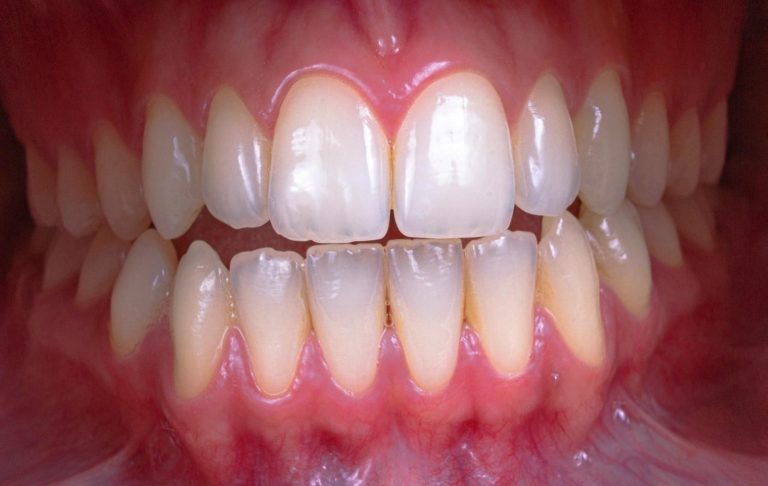
Gum disease, also known as periodontal disease, happens in stages. It starts with gingivitis, which is the mildest form. Gingivitis causes your gums to become red, swollen, and bleed easily, but it doesn’t cause permanent damage yet. With good brushing, flossing, and professional cleanings, gingivitis can usually be reversed.
If gingivitis is left untreated, it can turn into early periodontitis. At this stage, the infection spreads deeper into the gums and may start affecting the bone that supports your teeth. You might notice your gums pulling away from your teeth, and pockets may begin to form between the gums and tooth roots. These changes can lead to bone loss if not treated. [1,2]
Early periodontitis is more serious than gingivitis but not as damaging as advanced periodontitis, where significant bone loss and even tooth loss can happen.
Catching early periodontitis in time can help stop it from getting worse. With the right care, you can protect your gums, keep your teeth strong, and avoid more expensive or painful treatments later on.
What Causes Early Periodontitis?
There are several reasons why early periodontitis can develop. Many of these causes can be prevented or managed with the right habits and care. Let’s go over the most common ones:
1. Poor oral hygiene habits
Not brushing and flossing regularly allows plaque, a sticky layer of bacteria, to build up on your teeth and gums. Over time, this can irritate your gums and lead to infection. Without daily care, gum disease can start and slowly get worse. [3]
2. Plaque and tartar buildup
When plaque isn’t removed, it hardens into tartar (also called calculus), which sticks tightly to your teeth. Tartar makes it easier for more bacteria to grow and makes it harder to keep your mouth clean. Only a dental professional can remove tartar, which is why regular cleanings are important. [4]
3. Smoking or tobacco use
Smoking is one of the biggest risk factors for gum disease. It weakens your gums’ ability to fight infection, slows down healing, and hides early symptoms like bleeding. Smokers are more likely to get periodontitis and to lose teeth over time. [5]
4. Underlying health issues (e.g., diabetes)
Health problems like diabetes can affect how well your body fights infections. People with diabetes are at higher risk for gum disease, especially if their blood sugar is not well controlled. Gum disease can also make it harder to keep diabetes under control, creating a two-way relationship. [6]
5. Genetic factors
Some people are more likely to develop gum disease because of their genes, even if they take good care of their teeth. If gum disease runs in your family, it’s extra important to visit your dentist regularly and watch for early signs. [7]
If you’re worried about your gums, help is closer than you think. Early treatment can protect your teeth and prevent more complex care later.
Common Signs and Symptoms
Early periodontitis can start quietly, but there are warning signs you can watch for. The sooner you notice these symptoms, the sooner you can take steps to protect your gums and teeth.
1. Red, swollen, or tender gums
Healthy gums should be pink and firm. If your gums are red, swollen, or sore when you touch them, it could be a sign of early gum infection. This happens when bacteria from plaque begin to irritate and inflame your gum tissue. [8]
2. Gums that bleed easily when brushing or flossing
Bleeding gums are one of the earliest signs of gum disease. If you notice pink in the sink after brushing or flossing, don’t ignore it. This is your body’s way of telling you that your gums are inflamed and may need professional care. [4]
3. Bad breath that won’t go away
Persistent bad breath, also called halitosis, can come from bacteria trapped under the gums. These bacteria produce foul-smelling toxins that regular brushing can’t always remove. If your breath still smells even after brushing and flossing, it could be a sign of gum disease. [9]
4. Gum recession (gums pulling away from the teeth)
If your teeth are starting to look longer, your gums might be pulling away. This is called gum recession. It exposes the roots of your teeth and can make them more sensitive to hot and cold. Gum recession is often a sign of early periodontitis. [4]
5. Mild bone loss seen in dental X-rays
In the early stages of periodontitis, your dentist might spot slight bone loss around your teeth during a routine X-ray, even before you feel any symptoms. That’s why regular dental checkups are so important. X-rays can show hidden signs of damage under the gums. [10]
Bleeding gums, bad breath, or gum recession shouldn’t be ignored. A simple dental exam can help catch gum disease before it causes lasting damage.
Book an Appointment at Englewood Dental
How Early Periodontitis Is Diagnosed
If you have signs of early periodontitis, your dentist will do several things to check the health of your gums and the bone around your teeth. These steps are gentle and important for catching the problem early.
1. Comprehensive dental exam
Your dentist will start with a full-mouth check to look for signs of gum disease. This includes checking your gums for redness, swelling, bleeding, or changes in shape. A full dental exam helps your dentist understand the overall condition of your teeth and gums.
2. Periodontal probing to measure pocket depth
Your dentist or hygienist will gently use a small tool called a probe to measure the space between your teeth and gums. This space is called a “pocket.” Healthy gums usually have pockets that are 1 to 3 millimeters deep. Deeper pockets may be a sign of gum disease. [11]
3. Digital X-rays to check bone levels
X-rays help your dentist see what’s going on under the surface. They can show if the bone around your teeth is starting to shrink or weaken, one of the early signs of periodontitis. X-rays are important because gum disease often damages the bone before you feel any pain. [12]
4. Patient history and symptom review
Your dentist will also ask questions about your health and any symptoms you’ve noticed, like bleeding gums or bad breath. Knowing your medical history, including conditions like diabetes or smoking habits, helps your dentist understand your risk for gum disease.
At Englewood Dental, we provide gentle, thorough care focused on long-term oral health. If you’re noticing changes in your gums, now is the time to act.
How to Prevent It from Coming Back
After treating early periodontitis, it’s important to take steps to keep your gums healthy and stop the disease from coming back. The good news is, with a few daily habits and regular care, you can protect your smile long-term.
1. Daily brushing and flossing techniques
Brushing your teeth twice a day with a soft-bristle toothbrush and fluoride toothpaste helps remove plaque before it hardens. Flossing at least once a day cleans between your teeth where a brush can’t reach. Together, these steps help keep your gums free from harmful bacteria.
2. Using an antimicrobial mouthwash
Rinsing with an antimicrobial mouthwash can reduce the amount of bacteria in your mouth, helping to prevent gum infections. Some mouthwashes are designed specifically to fight plaque and gingivitis, which can lower your risk of periodontitis.
3. Routine dental checkups and cleanings
Seeing your dentist regularly, usually every 6 months, helps catch any signs of gum trouble early. Professional cleanings remove tartar that brushing and flossing can’t get rid of. Your dentist can also check the depth of your gum pockets to make sure everything is healthy.
4. Avoiding tobacco and limiting sugary foods
Smoking weakens your immune system and makes it harder for your gums to heal. It also hides the early signs of gum disease. Sugary snacks and drinks feed the bacteria that cause plaque. Avoiding tobacco and cutting down on sugar can make a big difference in keeping your gums healthy. [3]
Final Thoughts
Don’t wait for gum problems to get worse. Early periodontitis is treatable, but only if it’s caught in time. At Englewood Dental, we’re here to help you protect your teeth and gums with expert care you can trust.
Early detection saves teeth, time, and money. Schedule your appointment today to speak with our team.
References:
- https://www.mayoclinic.org/diseases-conditions/gingivitis/symptoms-causes/syc-20354453
- https://my.clevelandclinic.org/health/diseases/10950-gingivitis-and-periodontal-disease-gum-disease
- https://www.cdc.gov/oral-health/about/gum-periodontal-disease.html
- https://www.nidcr.nih.gov/health-info/gum-disease/more-info
- https://www.cdc.gov/tobacco/campaign/tips/diseases/periodontal-gum-disease.html
- https://www.nidcr.nih.gov/health-info/diabetes
- https://www.colgate.com/en-us/oral-health/gum-disease/family-history-affects-your-risk-for-gum-disease
- https://www.mouthhealthy.org/all-topics-a-z/gum-disease
- https://www.perio.org/consumer/gum-disease-symptoms
- https://www.perio.org/consumer/types-gum-disease.html
- https://www.tandaradental.com.au/why-your-dentist-pokes-your-gums-and-says-numbers/
- https://radiologykey.com/from-cavities-to-bone-loss-what-x-rays-help-dentists-catch-early/