
What to Expect During Your First Week with Braces
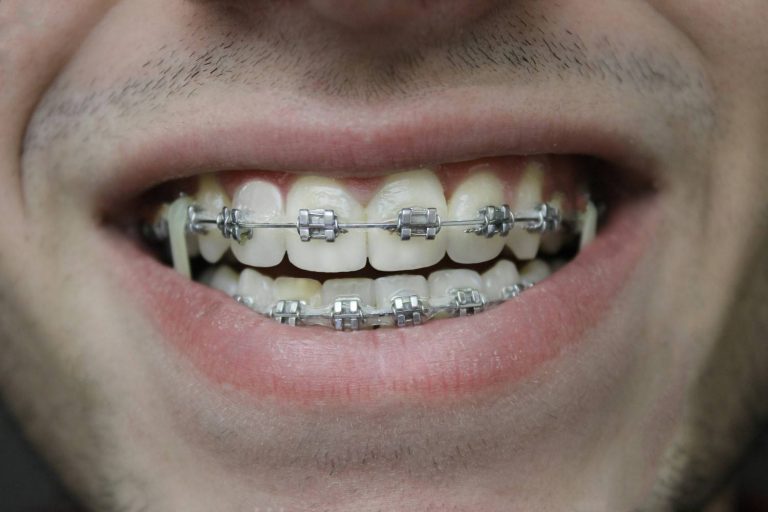
We know that getting braces can feel a little overwhelming at first, but don’t worry, this is a positive step toward a healthier, more beautiful smile. Many people feel nervous before their first appointment, and that’s completely normal. You can feel more at ease and ready to take care of your teeth if you know what to expect during the first week.
At Englewood Dental – The Center for Implants and Aesthetics, we specialize in orthodontics and pride ourselves on providing gentle, expert care to help you through every stage of your treatment. Our team is here to support you, answer your questions, and make sure your braces experience is as smooth and comfortable as possible.
Day 1: Getting Your Braces Put On
On your first appointment, the dentist will start by cleaning your teeth carefully. This step is important to make sure your teeth are healthy and ready for braces. Then, the dentist will put a special glue on your teeth and attach small brackets to each one. After that, a thin wire is placed and secured to the brackets. This wire will gently move your teeth into the right position over time. [1]
Right after the braces are put on, you might feel some pressure or mild discomfort. This is normal because your teeth are starting to adjust to the new appliances. Some people also feel soreness in their mouth or slight irritation on their cheeks and lips where the brackets touch. [2]
For the first day, it’s best to stick with soft foods like mashed potatoes, yogurt, smoothies, or soup. [3] Try to avoid hard, sticky, or chewy foods such as nuts, popcorn, caramel, or gum, because these can hurt your braces or cause discomfort.
Days 2-3: Adjusting to the New Sensation
During the second and third days after getting your braces, it’s normal to feel soreness and tenderness in your teeth and gums. This happens because your teeth are starting to move, and your mouth is adjusting to the new braces. [4]
You might also notice some irritation or small sores on your cheeks and lips where the brackets and wires rub against the inside of your mouth. This can feel uncomfortable but usually gets better as your mouth gets used to the braces.
To help manage any pain or discomfort, you can take over-the-counter pain medicine like ibuprofen or acetaminophen, following the instructions on the package.[5] Using orthodontic wax on the brackets and wires that irritate your mouth can also make you feel much better. The wax creates a smooth surface that protects your cheeks and lips from rubbing.
Keeping your teeth clean during this time is very important. Use a soft-bristled toothbrush and brush gently around your brackets and wires. Flossing can be tricky with braces, but using a floss threader or special orthodontic floss can help you clean between your teeth without hurting your gums. Good oral hygiene prevents plaque buildup and keeps your mouth healthy as your teeth move. [6]
Days 4-5: Getting Used to Braces
By the fourth and fifth days, most of the initial discomfort from your braces usually starts to go away. Your teeth and mouth begin to adjust, and the soreness you felt during the first few days becomes less noticeable.
You might still have some minor irritation or small sores inside your mouth. To help with this, keep using orthodontic wax on any brackets or wires that rub against your cheeks or lips. Rinsing your mouth with warm salt water can also soothe soreness and help heal any small cuts or sores.
It’s important to keep avoiding hard, sticky, or chewy foods that can damage your braces or make your mouth feel more uncomfortable. Foods like nuts, popcorn, caramel, gum, and tough meats should still be avoided. Instead, focus on softer foods that are easier to chew and gentle on your braces. [7]
Even as you feel better, it’s important to keep up good oral care habits. Brush your teeth gently but thoroughly around the braces, and floss carefully using floss threaders or orthodontic floss. Keeping your teeth clean will help prevent cavities and keep your gums healthy while your braces do their work.
Days 6-7: Settling Into Your New Routine
By the sixth and seventh days, your teeth might still feel a little sensitive, especially when eating, but overall, most of the discomfort should have improved. Your mouth is getting used to having braces, and the pressure you felt during the first days will start to ease.
Braces will begin to feel more natural in your mouth. You may notice that your lips and cheeks are less irritated as they adjust to the brackets and wires. It’s normal for your speech to change a bit at first, but with practice, you’ll talk clearly again in no time.
Eating should also become easier as you learn which foods work best for you and how to chew gently with your braces. Continue to avoid very hard or sticky foods to protect your braces and reduce discomfort. [8]
Tips for a Successful First Week with Braces
To have a smooth first week with your braces, it’s important to avoid certain foods and habits that can cause problems. Try not to chew ice, eat sticky candy like caramel or gummies, or bite your nails. These actions can damage your braces or make your mouth sore. [9]
Using orthodontic wax can help prevent irritation from brackets and wires. Simply place a small piece of wax over any part of your braces that feels rough or causes rubbing inside your mouth. This creates a smooth surface that protects your cheeks and lips while your mouth adjusts. [10]
Keeping your teeth clean is very important during this time. Brush gently but thoroughly around your braces to remove plaque and prevent cavities. Floss carefully using floss threaders or special orthodontic floss to clean between your teeth. Good oral hygiene helps keep your gums healthy and your smile bright throughout your treatment.
Also, drink plenty of water to stay hydrated, which helps keep your mouth fresh and healthy. Using recommended oral care products like fluoride toothpaste and mouthwash can protect your teeth and support overall dental health while wearing braces.
When to Contact Your Orthodontist
It’s important to know when you should reach out to your orthodontist. If you experience severe pain that doesn’t get better with over-the-counter pain medicine, or if a bracket or wire breaks or comes loose, you should contact your orthodontist right away. Also, if you have sores in your mouth that won’t heal or are very painful, it’s a good idea to get help.
Conclusion
The first week with braces is often the hardest, but remember, it does get easier. Your mouth will adjust, and soon wearing braces will feel more normal. At Englewood Dental, we are here to support you every step of the way during your braces journey to help you achieve a healthy, beautiful smile.
Contact us today to get started or to keep your treatment on the right track!
References
- https://www.colgate.com/en-us/oral-health/adult-orthodontics/a-quick-guide-to-getting-braces
- https://www.colgate.com/en-us/oral-health/adult-orthodontics/a-quick-guide-to-getting-braces
- https://www.healthline.com/health/dental-and-oral-health/how-are-braces-put-on
- https://my.clevelandclinic.org/health/treatments/24601-teeth-braces#procedure-details
- https://www.medicalnewstoday.com/articles/327201#pain-relief
- https://my.clevelandclinic.org/health/treatments/24601-teeth-braces#procedure-details
- https://www.colgate.com/en-us/oral-health/adult-orthodontics/a-quick-guide-to-getting-braces
- https://www.colgate.com/en-us/oral-health/adult-orthodontics/a-quick-guide-to-getting-braces
- https://my.clevelandclinic.org/health/treatments/24601-teeth-braces#procedure-details
- https://my.clevelandclinic.org/health/treatments/24601-teeth-braces#procedure-details