
Your Dentist May Spot Sleep Apnea Before You Do
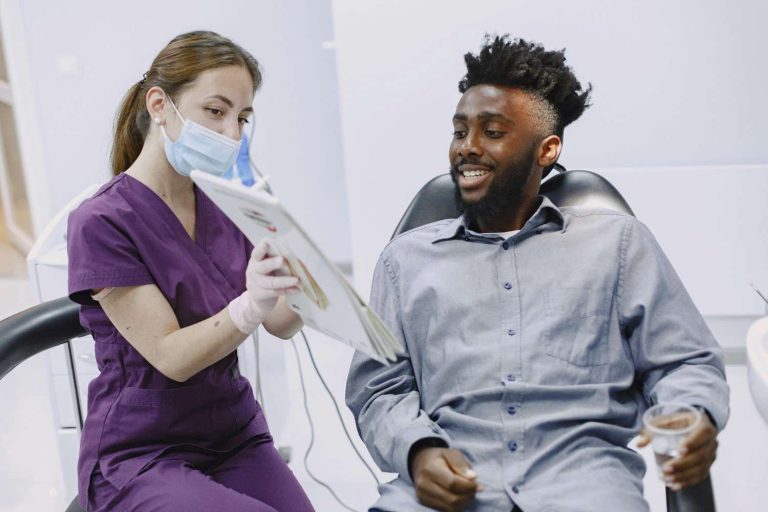
Did you know that your dentist might be the first person to notice signs of sleep apnea? While this condition is often linked to snoring and poor sleep, it can also leave clues in your teeth, gums, and mouth.
What Is Sleep Apnea?
Sleep apnea is a condition where your breathing repeatedly stops and starts during sleep. This happens when your airway becomes blocked, often due to relaxed throat muscles or structural issues. Common symptoms include:
- Loud snoring
- Waking up gasping for air
- Morning headaches
- Feeling tired during the day
According to the American Academy of Sleep Medicine (AASM), untreated sleep apnea can lead to serious health problems, including high blood pressure, heart disease, and diabetes. [1]
Why Early Detection Matters
Many people don’t realize they have sleep apnea until it starts affecting their health and quality of life. But dentists can often spot warning signs before serious complications develop. Since sleep apnea affects the mouth in several ways, such as teeth grinding, dry mouth, and gum inflammation, your dentist may be the first to detect a problem.
The American Academy of Dental Sleep Medicine (AADSM) emphasizes that dentists play a key role in recognizing early symptoms of sleep apnea and can help guide patients toward a proper diagnosis. [2]
Get the right treatment for sleep apnea early to protect your health and improve the quality of your sleep.
Oral and Facial Signs of Sleep Apnea
Did you know that your mouth and face can show signs of sleep apnea? Many people don’t realize they have sleep apnea until it starts affecting their health. But during a routine checkup, your dentist might notice key oral and facial symptoms that suggest a problem with your breathing at night.
According to the American Academy of Dental Sleep Medicine (AADSM), dentists are often the first to detect oral signs of sleep apnea and can refer patients for further evaluation. [3]
Here are some common oral and facial signs your dentist may look for:
1. Worn or Cracked Teeth (Bruxism)
If you grind or clench your teeth at night, it could be a sign of sleep apnea. Bruxism (teeth grinding) is common in sleep apnea sufferers because the body reacts to breathing disruptions by tightening the jaw. Over time, this can lead to:
- Worn-down tooth enamel
- Cracked or chipped teeth
- Jaw pain and TMJ disorders
A study published in the Journal of Clinical Sleep Medicine found that people with sleep apnea are more likely to grind their teeth compared to those without the condition. [4]
2. Scalloped Tongue
A scalloped tongue happens when the sides of your tongue develop wavy or ridged indentations. This is caused by the tongue pressing against the teeth, often due to an obstructed airway.
- If your tongue is too large for your mouth, it can block airflow when you sleep.
- The repeated pressure on the teeth causes a scalloped or wavy edge on the sides of the tongue.
A scalloped tongue is a common sign of sleep-disordered breathing and should be evaluated by a dentist or sleep specialist. [5]
3. Enlarged Tonsils or Soft Palate
Your tonsils and soft palate play a big role in keeping your airway open. When they are enlarged, they can partially block airflow, increasing the risk of snoring and sleep apnea.
- Large tonsils can cause airway restriction, making it harder to breathe at night.
- A thick or elongated soft palate can contribute to snoring and apnea episodes.
The National Sleep Foundation reports that enlarged tonsils and soft palate tissues are common in people with sleep apnea, especially in children. [6]
4. Chronic Dry Mouth
Waking up with a dry mouth or sore throat in the morning? This could be a sign of sleep apnea caused by mouth breathing and snoring.
- Mouth breathing dries out the saliva that normally protects your teeth and gums.
- Less saliva increases the risk of cavities, gum disease, and bad breath.
- Snoring can also contribute to throat irritation and morning discomfort.
According to the American Dental Association (ADA), chronic dry mouth is a common issue for people with untreated sleep apnea and can lead to more serious dental problems over time. [7]
When to See a Dentist or Sleep Specialist
If you experience any of these signs, it’s important to talk to your dentist or a sleep specialist. They can help determine if your symptoms are related to sleep apnea and recommend treatment options like:
- Oral appliance therapy
- CPAP therapy
- Lifestyle changes
How Dentists Screen for Sleep Apnea
Here’s how dentists screen for sleep apnea and help patients find the right treatment.
1. Reviewing Patient History
Your dentist will ask about symptoms and lifestyle factors that could indicate sleep apnea, including:
Daytime fatigue: Do you feel excessively tired even after a full night’s sleep?
Frequent headaches: Morning headaches are common in people with sleep apnea.
Loud snoring: A key symptom of obstructive sleep apnea (OSA).
Waking up gasping for air: A sign that your breathing is being interrupted during sleep.
A study published in the Journal of Clinical Sleep Medicine found that many people with sleep apnea don’t realize they have it until they are screened by a dentist or doctor. [8]
2. Examining the Airway and Jaw Position
During a dental exam, your dentist may check for physical signs that suggest airway blockage, such as:
- Enlarged tonsils or a thick soft palate
- Recessed jaw or small airway
- Scalloped tongue
- Worn-down or cracked teeth
According to the National Sleep Foundation, certain jaw and throat structures can contribute to breathing issues at night. If a dentist spots these concerns, they may recommend further evaluation. [9]
3. Using Questionnaires and Referrals for Sleep Studies
To further assess the risk of sleep apnea, dentists may use screening questionnaires or refer patients to a sleep specialist for testing.
STOP-BANG Questionnaire: A simple tool that helps assess a person’s risk of sleep apnea based on factors like snoring, tiredness, and BMI.
Epworth Sleepiness Scale: Measures daytime sleepiness to determine if a person may have a sleep disorder.
Referral for a Sleep Study (Polysomnography): If a dentist suspects sleep apnea, they may refer the patient for a sleep study, which monitors breathing, oxygen levels, and brain activity during sleep.
The American Academy of Sleep Medicine (AASM) recommends sleep studies for people who experience loud snoring, excessive daytime sleepiness, and breathing interruptions during sleep. [10]
If left untreated, sleep apnea can lead to serious health problems like high blood pressure, heart disease, diabetes, and poor mental health. Early detection is key to preventing complications and improving sleep quality.
Next Steps if Your Dentist Suspects Sleep Apnea
Many people don’t realize they have sleep apnea until a healthcare professional points out the signs. The good news is that there are effective treatments to help you breathe better and sleep more soundly.
Here’s what you can expect next:
1. Referral to a Sleep Specialist for Diagnosis
Your dentist may refer you to a sleep specialist for further evaluation. Sleep specialists use different tests to confirm if you have obstructive sleep apnea (OSA), including:
Polysomnography (PSG): An overnight sleep study at a sleep clinic where your breathing, oxygen levels, and brain activity are monitored.
Home Sleep Apnea Test (HSAT): A more convenient option where you wear a small device at home to track your breathing while you sleep.
2. Exploring Treatment Options, Including Oral Appliances
If you are diagnosed with sleep apnea, your doctor will recommend treatment based on the severity of your condition. Treatment options include:
Oral Appliance Therapy: A custom-made dental device that repositions the jaw to keep the airway open during sleep. This is a great option for people with mild to moderate sleep apnea and those who can’t tolerate CPAP.
Continuous Positive Airway Pressure (CPAP) Therapy: A machine that delivers constant airflow through a mask to prevent breathing interruptions. This is the gold standard for severe sleep apnea.
Lifestyle Changes: Losing weight, avoiding alcohol before bed, and changing sleep positions can help improve breathing.
The National Sleep Foundation states that oral appliances are an effective alternative to CPAP for some people, especially those who prefer a less intrusive treatment. [11]
3. The Importance of Follow-Ups and Monitoring
Once you start treatment, it’s important to have regular follow-ups with your dentist and sleep specialist to make sure your treatment is working.
Oral appliances need adjustments: If you’re using a dental device, your dentist may need to make small changes to ensure optimal comfort and effectiveness.
CPAP compliance checks: If you’re using CPAP, your doctor may check your machine’s data to see how well you’re using it.
Symptom tracking: If you still feel tired or experience snoring, your treatment plan may need adjustments.
Conclusion
Many people think dental checkups are just for preventing cavities and gum disease, but they can also reveal serious health issues like sleep apnea. Your dentist may be the first to notice warning signs, helping you get diagnosed and treated early. Treating sleep apnea can improve sleep quality by reducing snoring and breathing interruptions, lower the risk of health problems like high blood pressure and heart disease, and support better oral health by preventing dry mouth, gum disease, and teeth grinding.
Schedule a consultation with Englewood Dental! Taking action now can lead to better sleep, better health, and a better quality of life.
References
- https://aasm.org/severe-obstructive-sleep-apnea-hurts-hearts
- https://aadsm.org/journal/review_article_1_issue_71.php
- https://aadsm.org/journal/review_article_1_issue_71.php
- https://jcsm.aasm.org/doi/10.5664/jcsm.10348
- https://onlinelibrary.wiley.com/doi/abs/10.1111/joor.12526
- https://www.sleepfoundation.org/snoring/snoring-children
- https://pmc.ncbi.nlm.nih.gov/articles/PMC11274061/
- www.aasm.org/sleep-apnea-signs
- www.sleepfoundation.org/sleep-apnea/causes
- www.aasm.org/sleep-studies
- www.sleepfoundation.org/sleep-apnea/treatment-options